
Introduction
Social media has become one of the most powerful digital marketing channels for businesses, creators and brands looking to build meaningful relationships with their audiences. Whether you own a local business, run an eCommerce store, manage a startup, or work as a content creator, your success on platforms like Facebook, Instagram, LinkedIn, X (formerly Twitter), Pinterest and TikTok depends heavily on maintaining a consistent presence. However, one question continues to challenge marketers and business owners alike: How often should you post on social media? Some believe posting multiple times a day is the key to growth, while others argue that quality content matters far more than quantity. The truth lies somewhere in between. An effective social media strategy is built on consistency, audience behavior, content quality, and platform-specific best practices rather than simply publishing as much content as possible. Understanding the right posting frequency can help increase visibility, improve engagement, strengthen brand awareness, and ultimately drive more traffic, leads, and sales.
Why Posting Frequency Matters
Posting frequency directly influences how audiences interact with your brand and how social media algorithms evaluate your content. Every social media platform is designed to keep users engaged by showing relevant, high-quality posts that encourage interaction. When businesses post consistently, they create more opportunities for followers to discover, like, comment on and share their content. Regular posting also keeps a brand fresh in the minds of potential customers, making it more likely that users will think of the business when they are ready to make a purchase. On the other hand, posting too infrequently can reduce visibility and make followers lose interest, while posting excessively may overwhelm audiences and decrease engagement. Finding the right balance is essential for maintaining a healthy relationship with both users and platform algorithms.
There Is No Universal Posting Schedule
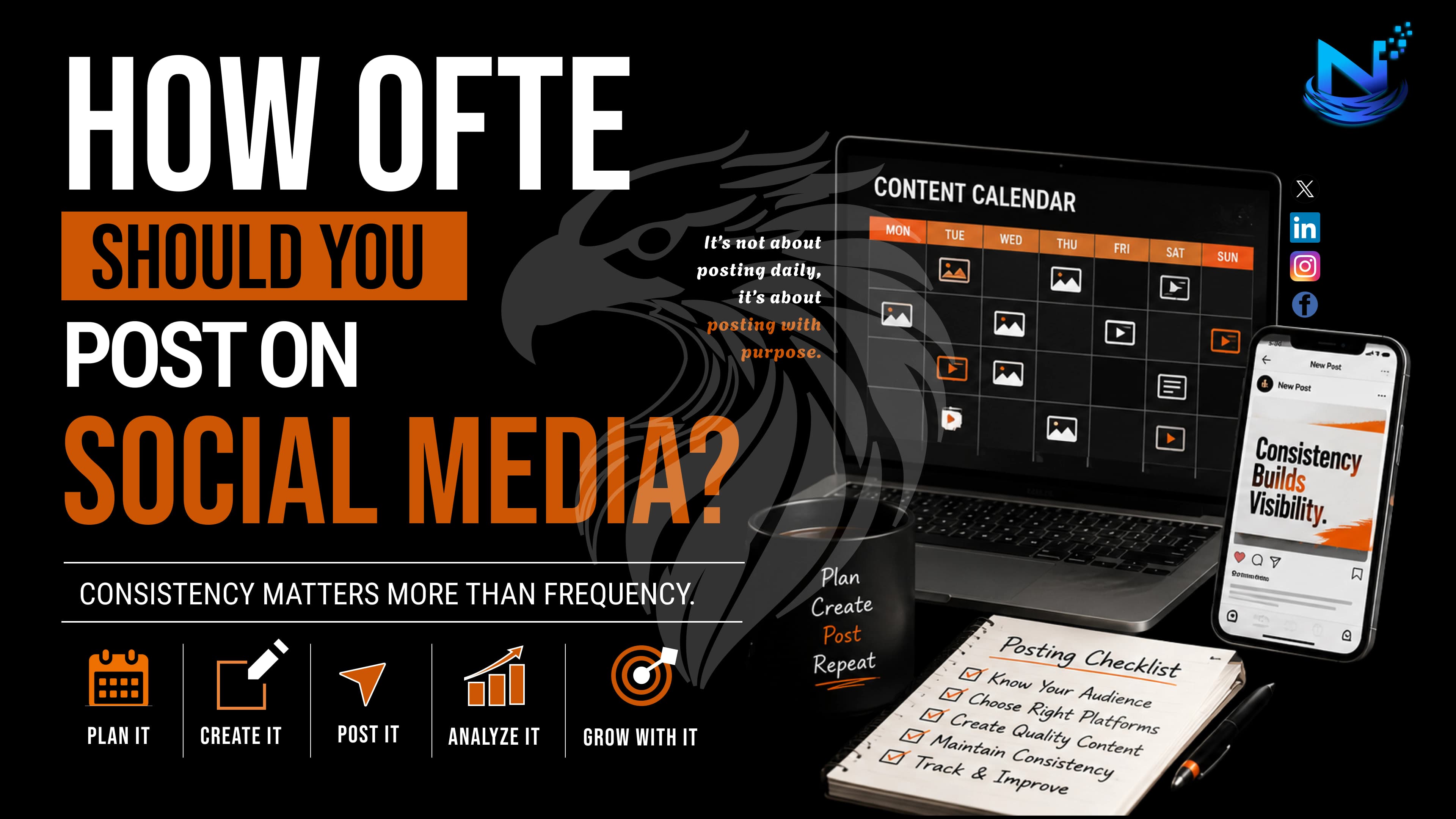
One of the biggest misconceptions in social media marketing is that there is a single posting schedule that works for every business. In reality, the ideal frequency depends on several factors, including your industry, business goals, target audience, content quality, available resources and the specific platform you use. A fashion brand may benefit from posting visual content more frequently, while a B2B consulting company may achieve better results by sharing fewer but highly valuable insights. Businesses should focus on creating a sustainable publishing schedule they can maintain consistently instead of chasing unrealistic posting targets. Consistency builds trust with audiences and sends positive engagement signals to social media algorithms over time.
Understanding Platform Differences
Each social media platform serves a different purpose and attracts unique user behavior, making it important to tailor your posting strategy accordingly. Instagram thrives on visually appealing content and short-form videos that encourage interaction, while Facebook supports a combination of community-focused posts, videos and informative updates. LinkedIn prioritizes professional knowledge, thought leadership and industry insights, making quality more important than high posting frequency. X moves at a much faster pace because of its real-time nature, allowing businesses to post more frequently without overwhelming followers. Pinterest functions as a visual search engine where evergreen content can continue generating traffic long after publication. TikTok rewards creativity, authenticity and consistent video publishing, giving businesses opportunities to reach new audiences through engaging short-form content. Understanding these differences helps brands develop platform-specific strategies rather than applying a one-size-fits-all approach.
Quality Always Outperforms Quantity
While consistency is important, quality should never be sacrificed for the sake of posting more often. Publishing low-value content simply to maintain a schedule rarely produces meaningful engagement or business results. Modern social media algorithms prioritize relevance and user satisfaction, meaning valuable, informative, entertaining or inspiring content has a greater chance of reaching larger audiences. High-quality posts encourage meaningful interactions, longer viewing times and increased sharing, all of which contribute to stronger organic performance. Businesses should focus on creating content that answers questions, solves problems, showcases expertise or tells compelling stories that resonate with their audience. A smaller number of exceptional posts will almost always outperform a large volume of average content.
The Importance of Audience Behavior
Every audience has unique browsing habits, interests and engagement patterns. Understanding when followers are most active is just as important as determining how often to post. Social media analytics provide valuable insights into audience demographics, peak activity times and content preferences. Businesses that regularly analyze these metrics can identify trends that help optimize their publishing schedules. Testing different posting frequencies and publication times allows marketers to refine their strategy based on real performance data rather than assumptions. Over time, this data-driven approach leads to stronger engagement, increased reach and improved return on investment from social media marketing efforts.
Building a Sustainable Content Strategy
An effective social media presence requires more than simply publishing posts on a regular basis. Businesses should develop a comprehensive content strategy that aligns with their marketing objectives and customer journey. Educational articles, customer success stories, behind-the-scenes updates, product demonstrations, industry news and user-generated content all contribute to a balanced content mix that keeps audiences engaged. Planning content through an editorial calendar ensures consistency while reducing last-minute stress. A sustainable strategy also allows businesses to maintain quality standards and adapt quickly to seasonal trends, industry developments or changing customer interests. Long-term success comes from delivering consistent value rather than pursuing short-term visibility.
How Posting Frequency Affects SEO and Brand Visibility
Although social media activity is not a direct Google ranking factor, it plays an important role in supporting overall search engine optimization. Consistently published content increases opportunities for users to visit your website, share your articles, and mention your brand across the internet. These activities contribute to greater online visibility, stronger brand recognition, and improved authority. Businesses with active social media profiles often generate more referral traffic and attract backlinks through valuable content promotion. Additionally, a strong social presence supports Google's Experience, Expertise, Authoritativeness, and Trustworthiness guidelines by demonstrating ongoing engagement with customers and industry communities. Integrating social media with broader digital marketing efforts creates a more effective strategy for sustainable online growth.
Common Mistakes to Avoid
Many businesses struggle with social media because they focus solely on posting frequency rather than overall content effectiveness. Publishing inconsistent content, ignoring audience feedback, copying competitors without understanding customer preferences or abandoning accounts for extended periods can all reduce engagement and damage credibility. Another common mistake is relying entirely on promotional content without providing educational or entertaining value. Audiences expect brands to contribute meaningful conversations rather than continuously promoting products or services. Successful businesses maintain a healthy balance between promotional and value-driven content while regularly reviewing performance metrics to identify opportunities for improvement. Flexibility and continuous optimization remain essential components of a successful social media strategy.
Measuring Success Beyond Posting Frequency
The effectiveness of a social media strategy should never be measured solely by the number of posts published each week. More meaningful performance indicators include engagement rate, reach, impressions, click-through rate, follower growth, website traffic, lead generation and conversions. These metrics provide valuable insights into whether content resonates with the intended audience and contributes to business objectives. Regular performance analysis allows businesses to identify successful content formats, optimize publishing schedules and improve future campaigns. By focusing on measurable outcomes rather than posting volume alone, organizations can make smarter marketing decisions that generate long-term value.
Frequently Asked Questions
How often should a business post on social media?
The ideal posting frequency depends on your industry, audience, and chosen platform. Most businesses achieve better long-term results by maintaining a consistent schedule with high-quality content rather than posting excessively.
Is posting every day necessary?
Daily posting is not essential for every business. If you can consistently create valuable content without compromising quality, daily publishing may be beneficial. Otherwise, maintaining a realistic and sustainable schedule is more effective.
Does posting more frequently increase engagement?
Not necessarily. Higher posting frequency only improves engagement when the content provides genuine value to the audience. Low-quality or repetitive posts may actually reduce engagement over time.
Which is more important: quality or consistency?
Both are important, but quality should always come first. Consistently publishing valuable, relevant, and engaging content builds stronger audience relationships and delivers better long-term marketing results.
How can I determine the best posting schedule?
The most effective approach is to monitor platform analytics, understand audience behavior, test different publishing times, and continuously refine your strategy based on performance data and engagement metrics.
Conclusion
Determining how often you should post on social media is not about following a universal formula but about understanding your audience, maintaining consistency and delivering exceptional content that aligns with your business goals. Every platform has unique characteristics and every audience responds differently, making flexibility and ongoing optimization essential for long-term success. Rather than chasing arbitrary posting numbers, businesses should focus on creating meaningful content that informs, entertains, and inspires their followers while maintaining a sustainable publishing schedule. When combined with data-driven decision-making, audience insights and a commitment to quality, a well-planned social media strategy can significantly improve brand awareness, customer engagement, website traffic and business growth. In today's competitive digital landscape, consistent value will always outperform excessive volume, making thoughtful content creation the foundation of successful social media marketing.
Useful links
Explore professional website, SEO, and digital growth services.
Buffer social media resourcesExplore social media marketing resources, publishing ideas, and platform strategy guidance.
Digital Marketing serviceExplore relevant internal support for social media campaigns, funnels, reporting, and growth.